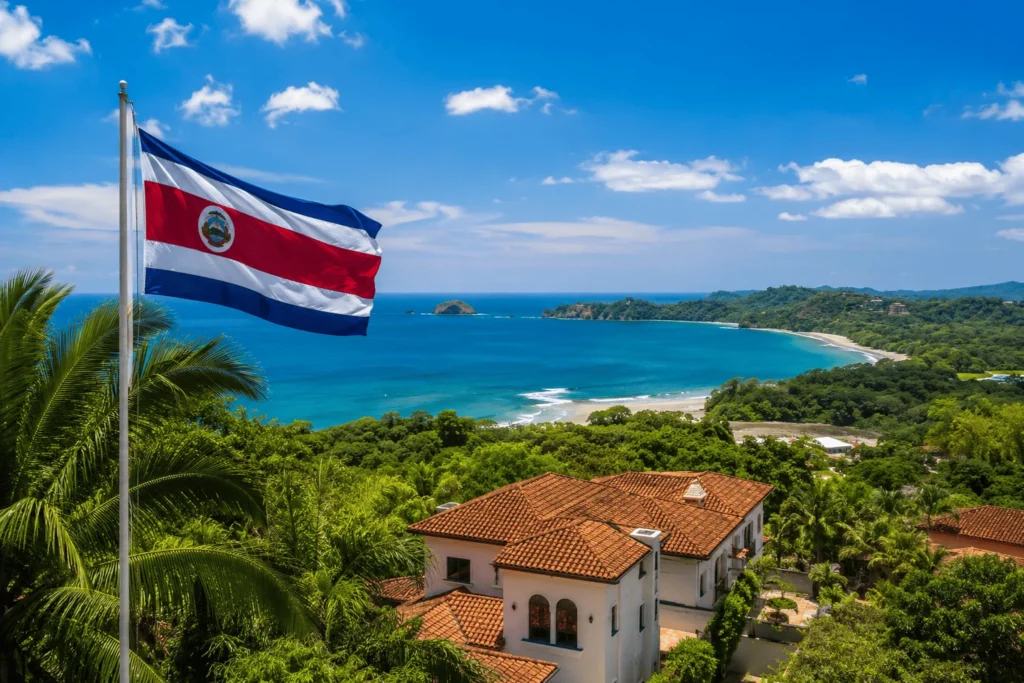
Costa Rica has become one of the most attractive destinations for Americans looking to invest in international real estate. From beachfront villas in Guanacaste to mountain homes in the Central Valley, foreign buyers continue to choose Costa Rica for retirement, investment opportunities, vacation homes, and lifestyle relocation.
However, purchasing property abroad involves legal, financial, and transactional risks that many buyers underestimate. International wire transfers, title verification, legal compliance, escrow protection, and due diligence are all critical components of a secure transaction.
In this guide, we explain how Americans can safely buy property in Costa Rica, avoid common mistakes, and protect their investment through proper legal and escrow procedures.
Why Americans Are Buying Property in Costa Rica
Costa Rica offers several advantages for foreign buyers:
- Strong tourism and rental market
- Stable democratic government
- No restrictions on foreign property ownership
- Attractive retirement lifestyle
- Growing luxury real estate market
- Favorable climate and biodiversity
- Access to international healthcare and infrastructure
Many buyers from the United States purchase:
- Vacation homes
- Retirement properties
- Investment condos
- Beachfront homes
- Commercial properties
- Land for development
While the opportunities are significant, the buying process differs from real estate transactions in the United States.
Can Americans Legally Own Property in Costa Rica?
Yes. Foreigners generally have the same property ownership rights as Costa Rican citizens.
Americans can legally:
- Buy residential property
- Purchase land
- Own investment properties
- Hold title personally or through a corporation
- Sell property without residency status
However, there are important legal distinctions involving:
- Maritime Zone properties
- Concession land
- Corporate ownership structures
- Tax obligations
- Municipal regulations
This is why working with experienced legal and escrow professionals is essential.
Step-by-Step Process to Buy Property in Costa Rica
1. Identify the Property
The first step is selecting a property that aligns with your investment goals and legal requirements.
Before making an offer, verify:
- Property boundaries
- Ownership status
- Existing liens
- Zoning restrictions
- Water availability
- Municipal permits
Many buyers skip these steps and later discover legal complications.
2. Hire an Independent Real Estate Attorney
Unlike in many U.S. transactions, legal representation is extremely important in Costa Rica.
An independent attorney helps:
- Conduct title searches
- Review contracts
- Verify ownership
- Confirm tax compliance
- Protect buyer interests
- Coordinate closing procedures
Avoid relying solely on the seller’s representatives.
Why Escrow Services Matter in International Real Estate Transactions
One of the biggest risks in international real estate is transferring funds without proper protection.
Escrow services help reduce risks by acting as a neutral third party that safeguards funds until all contractual obligations are satisfied.
Escrow protection helps:
- Prevent wire fraud
- Secure deposits
- Ensure contractual compliance
- Protect both buyers and sellers
- Reduce international transaction risk
For Americans purchasing abroad, escrow services create an additional layer of financial security.
Common Risks Foreign Buyers Face
Wire Fraud and Cybercrime
International wire fraud has become one of the largest threats in real estate transactions.
Cybercriminals often:
- Impersonate attorneys
- Send fake banking instructions
- Intercept transaction emails
- Redirect funds to fraudulent accounts
Once international funds are transferred incorrectly, recovery can be extremely difficult.
Using professional escrow services significantly reduces exposure to these risks.
Incomplete Due Diligence
Some buyers move too quickly and fail to investigate:
- Property titles
- Environmental restrictions
- Easements
- Unpaid taxes
- HOA obligations
- Construction permits
This can create major legal and financial complications after closing.
Informal Agreements
Verbal agreements and unofficial documents can expose buyers to unnecessary risk.
Every transaction should include:
- Written purchase agreements
- Clear escrow instructions
- Verified legal documentation
- Professional oversight
Due Diligence Checklist Before Buying Property in Costa Rica
A proper due diligence process should include:
Title Verification
Confirm the property is legally registered and free of unresolved liens.
Survey Review
Verify boundaries and physical measurements.
Tax Review
Ensure municipal and property taxes are current.
Corporate Review
If purchasing through a corporation, review corporate records and liabilities.
Utility Verification
Confirm access to water, electricity, and public services.
Zoning and Land Use
Verify permitted construction and development limitations.
Environmental Restrictions
Some properties may fall under protected environmental regulations.
The Importance of Secure Escrow Transactions
Professional escrow services create transparency and accountability throughout the transaction.
An escrow provider typically:
- Holds funds securely
- Verifies contractual milestones
- Releases payments according to agreement terms
- Maintains transaction documentation
- Coordinates with legal parties
This structure helps reduce misunderstandings and financial exposure.
How to Avoid Real Estate Scams in Costa Rica
Foreign buyers should remain cautious of:
- Unrealistic pricing
- Pressure tactics
- Unverified ownership claims
- Informal cash transactions
- Missing legal documentation
- Requests for direct wire transfers
Best practices include:
- Hiring independent legal counsel
- Using professional escrow services
- Verifying all banking instructions verbally
- Avoiding rushed closings
- Requesting official documentation
Closing Costs and Additional Expenses
Buyers should also prepare for transaction-related costs, including:
- Legal fees
- Escrow service fees
- Government registration fees
- Property transfer taxes
- Due diligence expenses
- Corporate setup costs (if applicable)
Understanding these expenses in advance helps buyers avoid surprises during closing.
Why International Buyers Choose Costa Rica
Costa Rica continues to attract international investors because of its:
- Political stability
- Growing real estate market
- Tourism economy
- Lifestyle advantages
- International accessibility
For Americans seeking secure international real estate opportunities, Costa Rica remains one of the strongest markets in Latin America.
Final Thoughts
Buying property in Costa Rica can be an excellent investment opportunity when approached correctly. The key to a secure transaction is proper planning, professional legal guidance, comprehensive due diligence, and secure escrow protection.
International real estate transactions involve unique legal and financial risks, especially when large wire transfers and cross-border agreements are involved. Working with experienced professionals helps reduce uncertainty and protect your investment from avoidable mistakes.
Whether purchasing a vacation home, investment property, retirement residence, or development opportunity, a secure transaction structure is essential for long-term peace of mind.